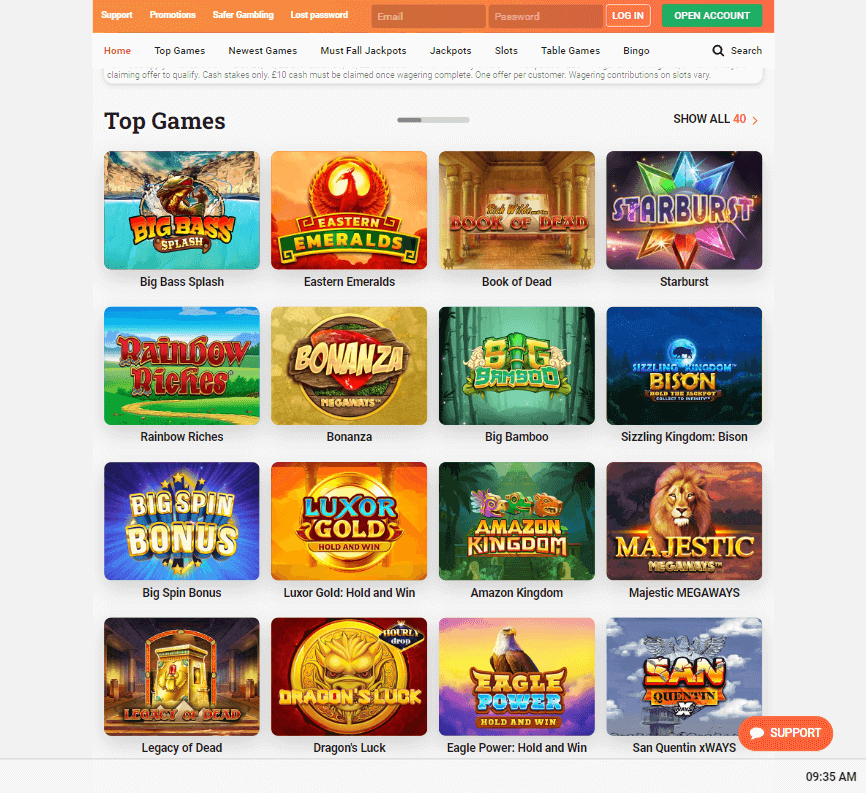
Something unusual is occurring on UK casino sites. Players of the classic slot Book of Dead from Play’n GO keep mentioning a odd kind of coincidence. It’s more than just landing free spins or a big win. They share moments where the game’s events seem to match in a meaningful, almost intimate way. These accounts have sparked lively debates in online forums. Are players detecting a secret rhythm in the reels, or is this a intriguing case of the mind deceiving itself? Let’s examine what’s being said and how the game itself might be fostering these ideas.
The Fascination of Ancient Egypt and Slot Mechanics
Book of Dead did not become a UK favorite by chance. It matches a classic Ancient Egyptian adventure theme with simple, high-volatility action. You accompany Rich Wilde in search of treasure, with the Book symbol acting as both Wild and Scatter. Everyone playing is wishing for those free spins, where one randomly chosen symbol can expand and cover reels for huge payouts. This straightforward, high-stakes setup is like a blank page. Players naturally start writing their own stories on it, searching for links between the expanding symbol picked and the symbols they saw just before.
The theme handles a lot of the heavy lifting. Ancient Egypt is all about hidden codes, prophecies, and discovering secrets. This setting subconsciously conditions you to look for deeper meaning in every spin. When a lucrative expanding symbol pops up right after you’ve seen it several times in the base game, your brain links the dots. It feels like a sign, a lucky streak. The game’s immersive graphics and dramatic sounds seal the deal, turning that session into a standout story you’re likely to remember and share.
Recorded Player Experiences of Coincidence
Look through UK player forums and you can see a series of very particular tales. These aren’t just bragging about wins. They’re accounts of linked events. One typical report describes a high-value symbol, like Anubis or Osiris, occurring regularly just before the free spins round activates. Then, unexpectedly, that same symbol becomes the special expanding symbol. Other players describe adjusting their bet size and then, like the game noticed, a bonus round hits shortly after.
Common Threads in Informal Reports
These common experiences often revolve around the game’s big moments https://casinoofbook.com/book-of-dead/. The shift from the base game to the bonus round is a major point. People report a increase of a particular symbol, a mounting sense of tension, which is then impressively released when that exact symbol becomes the path to a big win. Another repeated story involves getting back losses in one powerful, sudden burst. After a long period of small returns, a rapid burst of high-paying spins feels fated, like the game determined to pay you back.
The “Rich Wilde Nod” Event
One of the more colourful ideas emerging in community chats focuses on the game’s hero. Some players are convinced that wins are more likely when the animated Rich Wilde figure on the side of the screen performs a particular move or looks to glance at a certain reel. In actuality, these animations are practically on a random loop. But our brains are wired to see purpose and agency in images, especially when we’re involved. It shows how every part of Book of Dead’s presentation can be drawn into a player’s personal story of synchronicity.
Random Statistical vs. Observed Patterns
We have to temper these compelling stories with some factual facts. Book of Dead, like every slot licensed for the UK market, works on a verified Random Number Generator (RNG). This complex algorithm assures that each spin is fully independent and random. The selection of the expanding symbol in the free spins round is also a random event. The game has no memory of what came before. So in theory, the sequences players call synchronous are just possible coincidences among millions of other outcomes.
Our minds, however, are built to find patterns. Sometimes they find them where none exist. Cognitive biases like the ‘clustering illusion’ make us see streaks in purely random data, especially when emotions are high. A UK player immersed in a narrative game like Book of Dead is, deep down, expecting for a good story. You’re far more likely to remember and talk about the one amazing session where things seemed linked than the dozens of ordinary sessions where nothing connected. That selective memory bolsters the belief in synchronicity.
In what way Game Design Intensifies the Sensation
While the results are random, Play’n GO’s design genius is what really fuels these sensations. Thematic music rises with a big win. A dramatic pause hangs in the air before the expanding symbol is revealed. The visual thrill of watching reels fill with matching symbols creates high-emotion peaks. These peaks become the anchors in a player’s memory. The game’s high volatility is another crucial piece. Long stretches of small wins (the empty pages of the book) make the sudden, explosive payouts (the revealed secrets) feel monumental and somehow meant to be.
The Function of Volatility and Pacing
Book of Dead’s high volatility controls its rhythm. Those extended building phases train you to expect a reward after a drought. When the bonus round finally arrives, the psychological payoff is huge. If the expanding symbol chosen happens to be one you saw a lot in the previous spins, your brain instantly draws a line: “The scarabs were everywhere tonight, I just knew they’d come through!” This expert manipulation of anticipation makes any subsequent win feel like the end of a pattern you spotted, not a random bit of luck.
Implications for UK Player Engagement
All this discussion about synchronicity, whether it’s real or not, has a genuine impact on how people in the UK play Book of Dead. It transforms the slot from a straightforward game of chance into a individual quest with its own lore. Players create their own routines or ‘systems’, like keeping to a certain bet level or only spinning at a specific moment, convinced it sways the game’s favour. This builds a deeper link, increases player retention, and holds the game as a subject of discussion in a competitive market.
For the savvy UK player, understanding this interplay between cold code and warm perception is useful. It lets you savour the craft of the game’s design while following sensible gambling practices. Understanding that the impression of synchronicity is an purposeful part of the encounter, not a flaw in the system you can use, helps ensure play fun and under management. In the end, this effect shows why Book of Dead remains popular. It offers more than reels spinning; it offers a story that players feel is uniquely theirs, whether coincidence or not.
Conclusion: A Harmonious Mirage
The synchronicity UK players describe in Book of Dead is telling about the game’s ingenious crafting and the strength of its motif. It’s based on the unshakeable chance of RNG tech, yet the sensation is meticulously constructed to appear personal and significant. The tales players tell turn into a kind of shared myth-making, adding to the community’s pleasure of the game. This harmonious illusion, where rigorous math encounters gentle lore, could be the actual buried gem here. It demonstrates the top slots are the ones that seize your imagination, making every player experience like Rich Wilde on a individual, predestined journey.
Leave a Reply